
We start with your child’s strengths and look at the whole picture, at school and at home. Some families come to us with a new neuropsychological evaluation. Others are just starting to ask what is possible for their child. Wherever you begin, we build one plan and help you put it in place.
We turn the report into a plan you can act on: what it says, what it doesn’t say, and what it changes.
Walk into the meeting prepared. Walk out with a plan that holds.
We build criteria from your child’s profile, then find the schools that meet them, public or private.
When school stops working mid-year, we move with you, quickly and calmly.
Wherever you are starting, the first step is the same: an intake consultation. See pop up button or text us at: 917-887-6785.
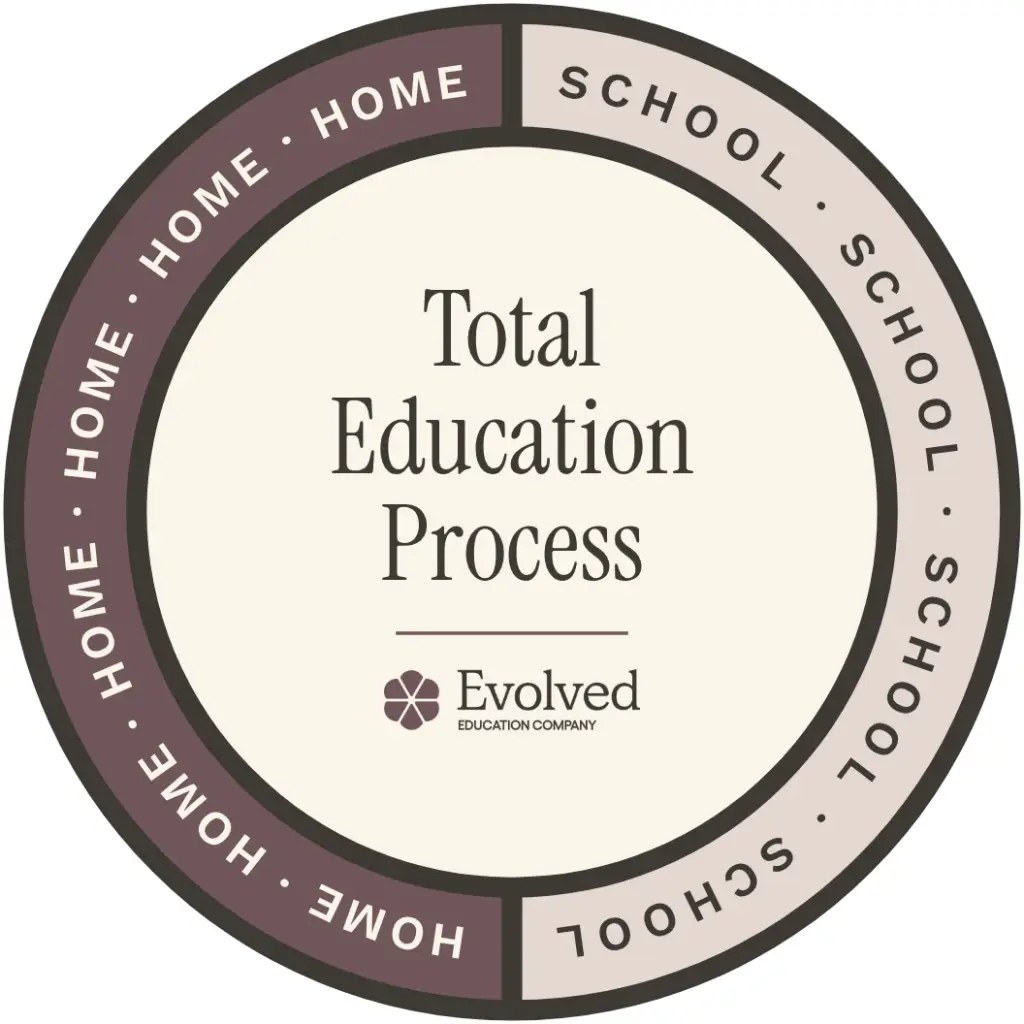
We see learning as a total education process. Schools provide structure, instruction, community, and academic programming. Home can cover what school can’t: enrichment, tutoring, executive function coaching, or skill-building that helps school work better for your child.
A diagnosis is part of the picture. It doesn’t define what your child can do. So we start with strengths, and we look at the whole child: academic, social, emotional, and physical development, at school and at home.
Before we build a plan, we get clear on your child’s learning profile and your family’s priorities. That way every decision is intentional and aligned.
It starts with an intake consultation. From there, every family follows the same three steps: Assessment, Strategy, and Implementation.
1. Onboarding: understand your child (Assessment). Comes first and stands on its own.
2. Your Total Education Plan (Strategy). Starting Point, if it’s a fit.
3. Putting the plan in place (Implementation).
Anonymized snapshots of students we’ve worked with: the profile they arrived with, the placement we helped secure, and the plan that carried them.
Profile
Bright, verbal student whose reading needs called for more specialized instruction. A recent neuropsychological evaluation pointed to dyslexia and inattentive ADHD.
Placement
Transition mid-year to an Orton-Gillingham–based program with small classes and an embedded learning specialist.
Plan
Weekly reading remediation, accommodations memo for the new school, and a six-month review with the family and the new team.
Profile
Twice-exceptional student: gifted verbal reasoning, with significant executive function and writing challenges. Public school IEP in place; the student needed more writing and executive function support.
Placement
Private middle school known for supporting 2e learners, with a structured writing program and advisor model.
Plan
IEP-to-school-plan translation, executive function coaching, and family-side support for the application and revisit days.
Profile
Honors student whose mid-year anxiety escalated into school refusal. Family arrived in crisis, unsure whether to push through or pivot.
Placement
Therapeutic day school for the remainder of the year, with a planned return to a smaller independent high school the following fall.
Plan
Coordination with the clinical team, weekly check-ins through the transition, and a re-entry plan built with the receiving school.
Profile
Strong STEM student with a long-standing language-based learning difference, beginning the college conversation with low confidence.
Placement
Targeted list of colleges with robust LD support programs; matched to a best-fit program offering structured academic coaching.
Plan
Updated documentation, accommodations strategy, and application support sequenced around testing and senior-year load.
Details have been changed to protect family privacy. Share your own situation and we’ll tell you whether we’ve walked a similar path.
Our strengths-first way of seeing a student. A disability or diagnosis is part of the educational picture, but it does not define a student’s capacity, potential or future. We plan for real needs and build from real strengths.
We look at the whole child in education planning. This includes academics, social, emotional and physical development.
One plan that connects what happens at home and at school, so the adults around your child work toward the same goals. Public programs, governed by IDEA, identify eligibility categories rather than diagnose. Private programs often focus on a specific diagnosis. The Total Education Plan brings the whole picture together, strengths and needs, across both home and school.
An IEP (Individualized Education Program) is a written legal plan for an eligible student with disabilities in a public school. It lists the student’s current level of performance, classification, goals, services, placement and accommodations. In New York City, the Committee on Special Education (CSE) develops IEPs for school-aged students.
In New York, students whose families choose a private school may be eligible for services through an Individualized Education Services Plan (IESP) The rules are specific, so we help families understand their options. For legal questions, we recommend speaking with a special education attorney.
We help you understand what the report says, what it recommends, and what it changes. Then we build a plan with your family and school, often as a Total Education Plan.
We start with your child: their strengths, their needs, and what thriving looks like for them. Then we map the schools that fit that profile and explain how each one works.
Yes. We support families in public, private, and specialized settings, from nursery through college.
No. If you have a recent evaluation, we work from it. If a clearer picture would help, your consultant recommends only the assessments that are useful.
Onboarding stands on its own. You leave the debrief with a clear picture of your child’s learning profile and a conversation about what comes next.
Yes. Both can be added at any point, and the plan shows where they help most.
Our office is on Manhattan’s Upper East Side in New York City. We work with families in New York, New Jersey, Connecticut, and Florida, and in other areas nationally and internationally.
If a recent evaluation already exists, we work from it. If a clearer picture would help, we draw from a curated set of tools and recommend only what’s genuinely useful.
Academic Assessment
MindPrint Learning Assessment
Brown Executive Function & Attention Scale
Career Lift Off
16 Personalities
Kindergarten Readiness (virtual)
And more…